Laikipia sits higher and drier than the Masai Mara, and that plateau elevation changes what “best time” actually means here. This is private conservancy country, not one national park, spread across roughly 9,700 km2 of ranchland and rangeland north of Mount Kenya. Touring Insights breaks down what each month delivers across Ol Pejeta, Lewa, Borana, and Loisaba, from cold dawn game drives in July to green-season calving in November. Use it to match your dates to the trip you want.
Why Laikipia’s Calendar Works Differently
Laikipia is not a single park with one gate and one fee schedule. It is a patchwork of private and community conservancies, each with its own booking system and conservation fee. The whole plateau sits at roughly 1,700 to 2,050 meters above sea level. That elevation is the detail most first-time visitors miss.
Higher ground means cooler air. Daytime temperatures across Laikipia rarely feel as harsh as Tsavo or Amboseli. Nights and early mornings can turn genuinely cold, especially from June through August. Game drives that start before sunrise often mean single-digit Celsius temperatures at the vehicle, even though the same afternoon climbs into the mid-20s.
Rainfall follows Kenya’s familiar two-season pattern, long rains and short rains. Laikipia sits in a rain shadow, though, which keeps totals lower than the Aberdare highlands just to the south. Roads across the conservancies are mostly murram and dirt, and sections on black cotton soil turn slick fast once the rains start. Planning a Laikipia trip means planning around temperature swings as much as rainfall.
June to September: Dry Season, Peak Game Viewing
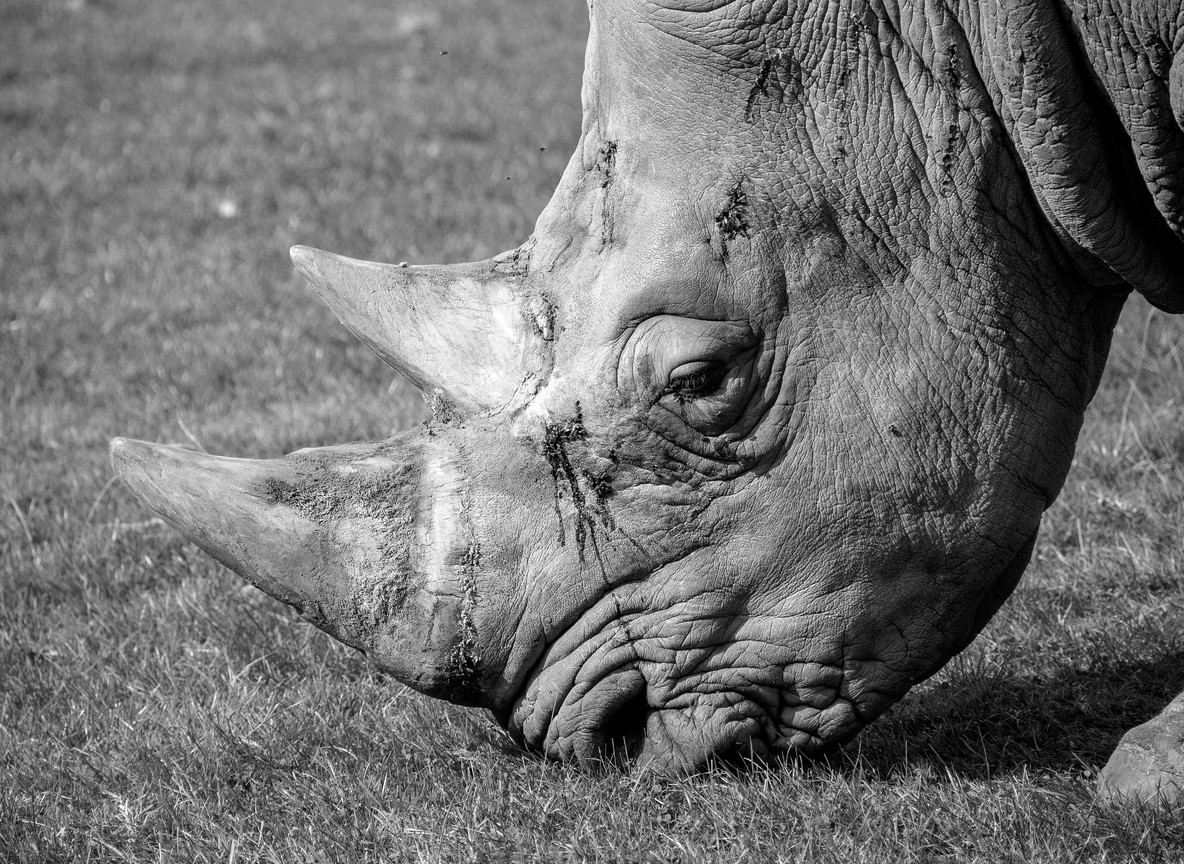
June through September is Laikipia’s most dependable stretch for game viewing. Grass thins out, wildlife concentrates near permanent water and salt licks, and roads across Ol Pejeta and Lewa stay firm and easy to navigate. Rhino tracking, a signature Laikipia activity, works best in this window because visibility across open grassland is at its clearest.
Daytime highs typically sit around 24-27°C, but early morning drives can start near 8-12°C, cold enough that visitors regularly underestimate their layering needs. This period overlaps with the Masai Mara’s migration season, so Laikipia camps see a secondary bump in bookings from travelers combining both regions. It is also when the Lewa Safaricom Marathon runs, usually the last Saturday of June, which fills nearby camps for that specific weekend.
January to February: The Short Dry Window
A second dry spell follows the short rains, bringing clear skies and warm, dusty days back to Laikipia. January and February usually deliver the hottest daytime temperatures of the year, often 28-30°C. Mornings lose much of the bone-chilling cold that defines the June-September window.
Grass has not fully browned off yet after the short rains, so tracking can require more patience than the peak dry months. Camps run quieter than the June-September rush, and rates typically sit below high season. This window suits travelers who want dry roads and warm days without competing for the same dates as the Mara migration crowd.
March to May: Long Rains and the Green Season
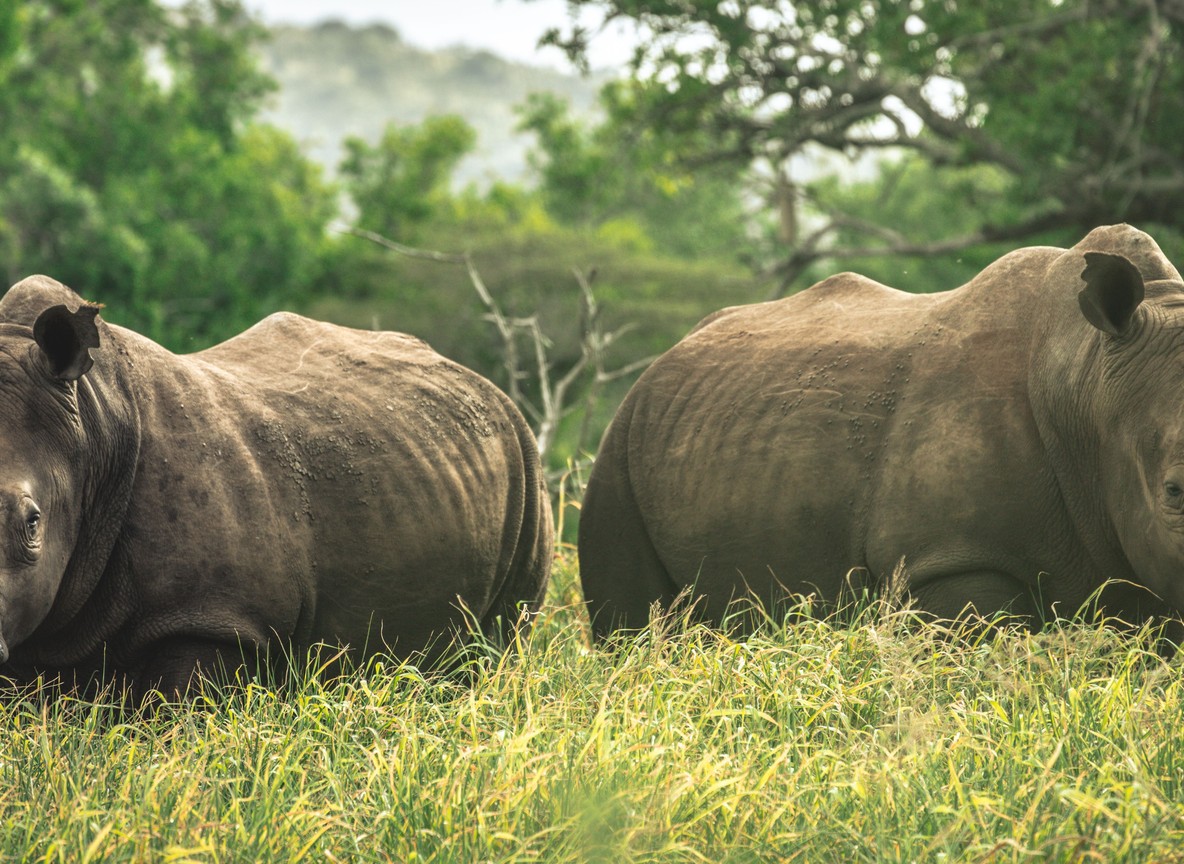
The long rains transform Laikipia fastest of any season. Brown rangeland turns green within days, and wildflowers appear across the plateau. Mount Kenya‘s peaks also show up more often once the dust clears from the air. April is typically the wettest single month, with afternoon storms that arrive fast and heavy, then clear within an hour or two.
Some conservancy roads, particularly black cotton soil sections around Ol Pejeta and parts of Loisaba, become difficult or impassable after a hard rain. Wildlife spreads out as temporary water collects away from rivers and dams, so sightings take longer to locate. In exchange, this is Laikipia’s lowest-rate season and its quietest, with newborn animals starting to appear toward the tail end of May.
October to December: Short Rains and a Quiet Plateau
The short rains typically arrive in October and ease off by mid-December, usually as brief afternoon downpours rather than all-day rain. Laikipia turns green again, migratory birds pass through in strong numbers, and grazing wildlife follows the fresh growth across the conservancies.
This stretch draws fewer visitors than the June-September peak, and rates trend toward shoulder-season pricing. Roads generally stay more passable than during the heavier long rains, though a wet week can still slow travel between camps. December sees a short bump in bookings around the holidays at a handful of Laikipia’s family-oriented properties, so those specific dates fill early.
Laikipia Month-by-Month at a Glance
| Season | Months | Daytime Temp | Morning Temp | Game Viewing | Crowd Level |
|---|---|---|---|---|---|
| Long dry | June-September | 24-27°C | 8-12°C | Best of the year, strong rhino tracking | Moderate to busy, overlaps Mara season |
| Short dry | January-February | 28-30°C | 14-16°C | Good, improving through February | Light |
| Long rains | March-May | 22-26°C | 13-15°C | Scattered, needs patience | Lowest of the year |
| Short rains | October-December | 23-26°C | 12-14°C | Good, strong birdlife | Low, except holiday week |
Temperatures above are indicative averages for the plateau, not a forecast. Confirm current conditions with your camp or a licensed booking partner before travel.
Getting to Laikipia: Distances, Fees and Access
Laikipia’s gateway is Nanyuki, a market town roughly 200 km north of Nairobi on the A2 highway via Karatina and Nyeri. Expect about 3 to 3.5 hours by road, depending on traffic through Nyeri town. From Nanyuki, Ol Pejeta Conservancy’s Rongai and Nyati gates sit only 10-20 km away, a 20 to 30 minute drive on conservancy roads.
Lewa Wildlife Conservancy and Borana Conservancy sit further north and east, roughly 300-310 km from Nairobi by road. That is closer to 5 hours, including the stretch past Nanyuki toward Isiolo before turning off toward the conservancy gates. Scheduled light-aircraft flights from Nairobi’s Wilson Airport reach Nanyuki Airstrip in around 35-40 minutes. Lewa Downs Airstrip and Loisaba’s airstrip run closer to 50-60 minutes.
Unlike Kenya’s national parks, Laikipia’s conservancies are privately run and set their own conservation fees rather than following a single KWS schedule. Non-resident daily conservation fees typically fall in the USD 90-120 per adult per day range across Ol Pejeta, Lewa, and Borana. Most camps bundle this into per-night rates rather than charging it separately at a gate. Treat this as an indicative range only. Confirm the current fee structure directly with the conservancy or your booking partner, since several properties revise rates annually.
| Detail | Ol Pejeta Conservancy | Lewa Wildlife Conservancy |
|---|---|---|
| Size | 364 km2 (90,000 acres) | 250 km2 (62,000 acres) |
| Main gate from Nanyuki | Rongai/Nyati Gate, ~10-20 km | N/A, accessed via Isiolo road |
| Distance from Nairobi | ~210 km by road | ~300-310 km by road |
| Airstrip | Ol Pejeta Airstrip | Lewa Downs Airstrip |
| Signature wildlife | Northern white rhino, black rhino sanctuary | Black and white rhino, Grevy’s zebra |
| Non-resident daily fee (indicative) | USD 90-100/adult | USD 100-120/adult |
Explorer Notes
Pack for both extremes, not just one. A fleece or down layer for 6am game drives matters as much as sun protection here. Dawn temperatures from June through August can drop into single digits Celsius, even though the afternoon feels like a different climate entirely.
Ask about combining Lewa and neighboring Borana Conservancy in one visit. The two share an unfenced boundary and manage wildlife as a joint landscape. A single stay often covers both without a separate transfer or fee, useful for travelers chasing rhino sightings on a tight schedule.
Time a Loisaba visit around the conservancy’s African wild dog packs if that is a priority. Sightings cluster more reliably in the dry months when packs den in predictable spots. Guides there track collared dogs daily, so ask your camp for a current update before booking specific dates.
Frequently Asked Questions
What is the single best month to visit Laikipia? July through September usually combines the driest roads, strongest rhino tracking, and clearest skies. It also overlaps with the Mara’s busiest migration weeks, though.
Is Laikipia worth visiting during the rainy season? Yes, if lower rates and a green, quiet plateau matter more than guaranteed dry-road access. Expect scattered wildlife and possible delays on black cotton soil sections after heavy rain.
How cold does Laikipia get compared to the Masai Mara or Tsavo? Noticeably colder at dawn due to elevation. Morning game drives from June to August can start near 8-12°C, several degrees below typical Mara or Tsavo mornings.
Do all Laikipia conservancies share the same seasons? Broadly yes, since the plateau shares one climate zone. Rainfall totals do vary slightly between Ol Pejeta’s lower ground and Loisaba’s more elevated terrain to the north.
Can I combine Laikipia with the Masai Mara in one trip? Yes. Many itineraries pair a few nights in Laikipia with a Mara extension. Both regions are reachable from Nairobi by short scheduled flights, without a long road transfer between them.
Once you have a season narrowed down, the next step is matching it to a conservancy and camp near the right gate. Check Touring Insights’ Tour Packages page for current Laikipia itinerary options. Or speak with a licensed booking partner about specific dates before locking in flights.
What to Read Next
- Laikipia Plateau Safari: A Complete Guide
- Ol Pejeta vs Lewa Conservancy: Which Should You Choose?
- Seasons in Ol Pejeta: What to Expect Month by Month
Further reading
More safari planning resources
- Best time to visit Kenya map from SafariPure
- Ol Pejeta and Sweetwaters safari package from Valley Safaris
- Best time to visit Kenya on Touring Insights
- Big Five safari collection on FindMySafari
Related guides: Best Time to Visit Kenya for Assamese Speakers: A Local Guide.